Storm-Damaged Garden Waste? Highgate (North London) Help
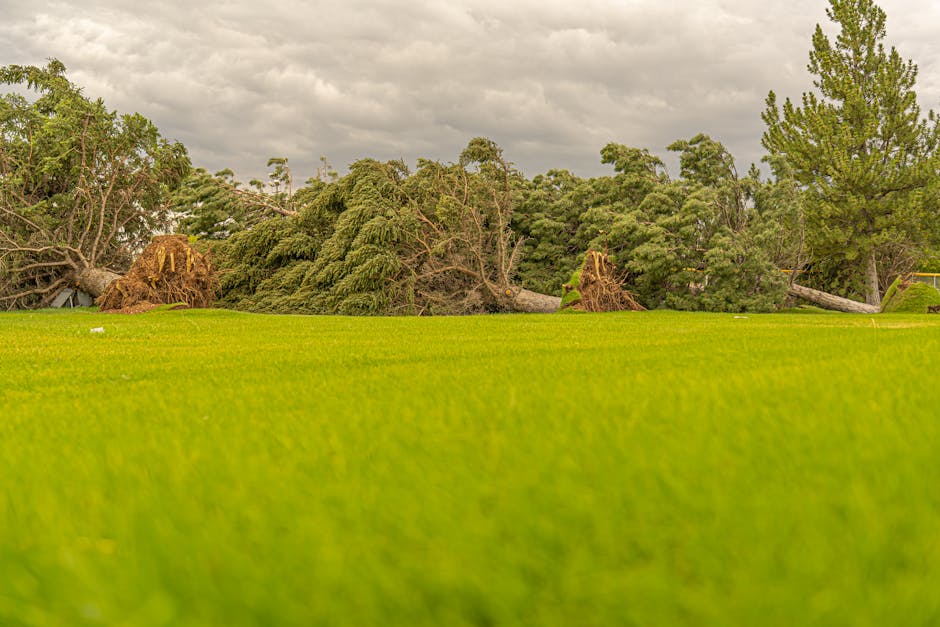
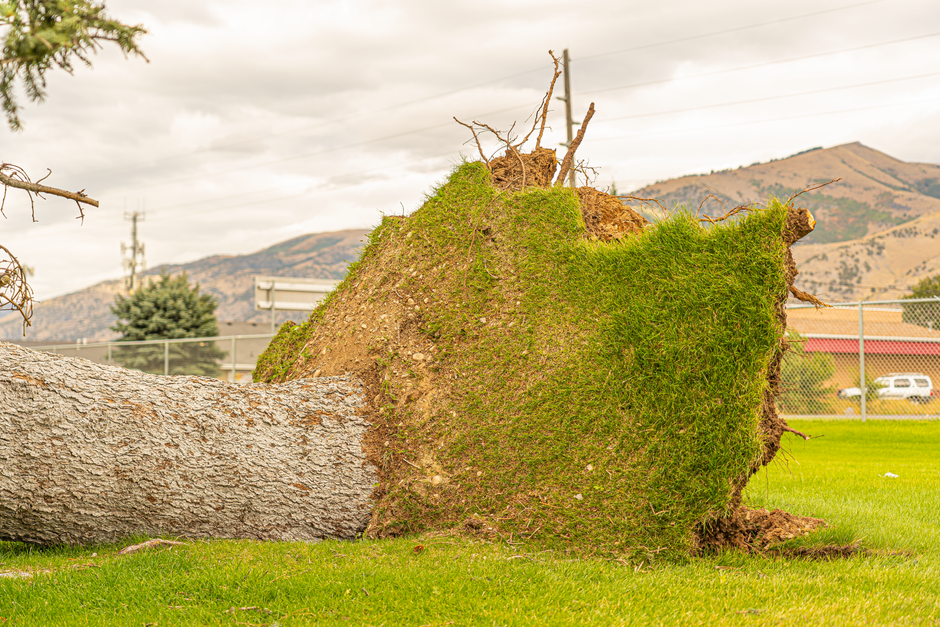
When a storm rolls through Highgate, the aftermath can be surprisingly messy: broken branches across the path, soaked hedge clippings, toppled pots, shattered fence panels, and piles of leaves that have been blown into every corner of the garden. If you are searching for Storm-Damaged Garden Waste? Highgate (North London) Help, you probably want something simple: clear the mess safely, avoid repeated trips to the tip, and get the garden back to a state that feels usable again. Fair enough.
This guide walks through what storm-damaged garden waste includes, why quick removal matters, how the process usually works, and what to watch out for in a busy North London setting. It also covers practical steps, compliance basics, and the sort of small details that make the difference between a tidy clearance and a stressful weekend that somehow keeps getting longer.
Why Storm-Damaged Garden Waste? Highgate (North London) Help Matters
Storm damage is not just a question of "a bit of a tidy-up". In a place like Highgate, where gardens can include mature trees, narrow side access, shared boundaries, and awkward rear steps, the waste left behind can be bulky, slippery, and sometimes unsafe. One heavy branch can hide nails from a broken trellis. Wet leaves can turn paving into a skating rink. And a snapped section of fencing can flap about in the wind long after the rain has stopped.
That is why storm-damaged garden waste needs a proper plan. The obvious stuff gets removed first, but the less obvious risks matter too: blocked drains, pooled water, damaged planting beds, and small fragments of timber or glass mixed into the debris. If you leave it too long, the mess tends to spread. Wind pushes lighter material into neighbouring gardens, damp waste starts to smell, and you end up doing the same job twice.
There is also the practical London reality. Parking can be awkward. Access can be tight. Garden waste collection slots may not line up with when you need help. A focused clearance service can cut through all that and turn a rough situation into a manageable one. If the storm has already tested your patience, you do not need the added chore of wrestling with green waste bags before breakfast.
Expert summary: After storm damage, the right approach is usually to make the site safe first, separate bulky wood from softer green waste where possible, and remove everything in one organised sweep rather than piecemeal.
And to be fair, that last part matters more than it sounds. Storm aftermath often looks smaller once the obvious branches are gone, but the hidden pile is usually the one that eats your time.
How Storm-Damaged Garden Waste? Highgate (North London) Help Works
The process is usually straightforward, but it helps to know what good service looks like. You do not want a vague "we'll sort it" approach. You want a method that respects your space, your time, and the condition of the garden after the storm.
1. Assessment and sorting
The first step is a quick assessment of the debris. That means identifying what is garden waste, what is bulky mixed waste, and what may need special handling. Fallen branches, hedge cuttings, shredded leaves, plant pots, broken timber, torn bags, and damaged garden furniture often all end up in the same heap after bad weather. Sorting matters because it affects loading, disposal, and safety.
2. Safe access and removal
Next comes the actual removal. In Highgate homes, that might mean carrying waste through a side passage, down steps, or around a narrow rear path. Good practice is to keep walkways clear as work progresses so the garden remains passable. If the mess is near a driveway or front boundary, it is often best to move large pieces first and then gather the smaller stuff afterwards.
3. Loading and transport
Once everything is collected, it is loaded for transport. Heavy branches, damp compost-like material, and broken timber all behave differently, so loading needs a bit of judgement. Overstuffed bags split easily. Wet leaf piles compact more than you expect. A careful loader saves time and avoids a second cleanup in the van. Nobody wants that.
4. Disposal and responsible handling
Finally, the waste is taken away for disposal or processing. In many cases, garden waste can be handled separately from general rubbish, which helps with responsible treatment. If there is mixed material, it may need to go through a more general waste removal route. For larger amounts of pruned branches, a dedicated garden clearance service is often the best fit.
Key Benefits and Practical Advantages
Storm-damaged gardens can feel overwhelming because the damage is usually spread out rather than neat and tidy. A proper clearance gives you more than a clean lawn. It gives you breathing space.
- Faster recovery: You can get the garden usable again sooner, which is especially helpful if you have children, pets, or plan to repair fencing, decking, or beds next.
- Reduced trip hazards: Loose branches, broken sticks, and tangled debris are easy to slip on, especially after rain.
- Less strain on your day: One collection is simpler than multiple small loads in a car that already smells faintly of wet leaves.
- Cleaner boundaries: Clearing windblown waste helps prevent neighbour disputes and keeps shared areas tidy.
- Better waste separation: A planned clearance makes it easier to deal with green waste, timber, and mixed materials properly.
There is a less obvious benefit too: decisions become easier once the mess is gone. It is much simpler to see whether a fence is repairable, whether the soil has been washed out, or whether a tree needs pruning when the floor is clear. That clarity saves time.
If the storm has damaged more than the garden and there are bits of old shelving, broken planters, or household items mixed in, a broader rubbish clearance approach can be more efficient than trying to separate everything by hand at home. For people who are already dealing with a full post-storm clean-up, that one decision can be the difference between "done by lunch" and "still at it when it gets dark".
Who This Is For and When It Makes Sense
This kind of help is not only for large gardens or severe storm damage. Plenty of smaller jobs become time-consuming very quickly. A storm can leave a modest courtyard just as awkward as a bigger back garden if the waste is tangled, wet, and difficult to bag.
You may benefit from storm-damaged garden waste help if you are:
- a homeowner with fallen branches, broken fence pieces, or uprooted plants
- a tenant who needs to return a garden to a presentable state
- a landlord preparing for new occupants after bad weather
- a property manager handling several outdoor spaces at once
- someone with limited lifting ability or no easy way to transport bulky waste
It also makes sense if your garden waste has become mixed with other items. A broken shed panel, a couple of rotten decking boards, and some old pots can suddenly turn into a much more awkward load. In those cases, a combined clearance is usually easier than doing it bit by bit.
For more all-round help with property tidying beyond the garden, many people also look at home clearance or, where the whole property is being sorted, house clearance. Not every storm job needs that level of service, of course, but it is useful to know the options when a garden problem spills indoors.
Step-by-Step Guidance
If you want to tackle storm-damaged garden waste in a calm, efficient way, here is the sequence that usually works best.
- Check for immediate danger. Look for unstable branches, exposed nails, leaning structures, or broken glass. If something looks unsafe, keep clear of it.
- Create a clear walking route. Make sure you can get from the back gate to the main heap without stepping over debris.
- Separate the obvious materials. Put branches, leaves, soil, broken planters, and mixed waste into different piles if you can. You do not need perfection. Just enough order to make collection easier.
- Bag lighter waste. Wet leaves and small clippings are easier to move in sturdy bags or bins. Do not overfill them; soaked garden waste gets heavier very quickly.
- Stack bulky items safely. Keep larger branches aligned and avoid making unstable piles. A pile that rolls is not your friend.
- Keep access open. If a clearance team is coming, leave space at the gate or driveway. It helps the job move faster and cuts down on unnecessary lifting.
- Remove the waste in one go where possible. This avoids waste sitting around for days, especially in damp weather.
- Do a final sweep. Check corners, behind planters, and along fences. Storm debris loves hiding there.
If the debris includes timber from damaged garden structures, you may need a broader clearance approach. In that case, builders waste handling can be useful for mixed hard materials, especially where broken panels, timber offcuts, or fixings are involved.
Expert Tips for Better Results
Small choices make a big difference after a storm. A few sensible habits can keep the job tidy and stop it spiralling.
- Work from the safest point outward. Start where access is easiest, then move toward the awkward corners.
- Do not mix everything blindly. Green waste, timber, and household rubbish are often handled differently. Keeping them roughly separated helps.
- Use gloves with a decent grip. Wet stems, splintered wood, and slimey leaves can be unexpectedly slippery.
- Think about weight, not volume. A bag of soaked leaves may look light and still feel like a small brick.
- Check for hidden extras. Plant saucers, broken canes, ties, and bits of wire often get trapped inside debris.
- Take photos before you start. Not for drama. Just because it helps you remember what needs to go and how much space you need clear.
One practical little habit we see often: place a tarp or old sheet near the main pile before you begin. It gives you somewhere to collect material cleanly and saves a bit of back-and-forth. Not glamorous, I know, but it works.
And if you are clearing the garden after other weather damage too, check nearby areas for displaced items. A storm can shove waste under hedges, into alleyways, or against side walls where it is easy to miss. You notice it later, usually when the sun comes out and makes everything look very obvious.
Common Mistakes to Avoid
A lot of post-storm clean-ups go wrong in predictable ways. The good news? They are easy to avoid once you know what to look for.
- Leaving heavy branches in a loose pile. They can roll, catch feet, or damage the lawn underneath.
- Ignoring hidden sharp edges. Splintered timber and broken fencing are notorious for causing small cuts.
- Overfilling bags. This is a classic. One more leaf, and suddenly the seam gives way.
- Forgetting about access width. If a gate is too narrow for bulky items, plan the route first.
- Mixing wet garden waste with unrelated rubbish. It can make sorting slower and disposal less efficient.
- Trying to lift everything alone. Some loads are just too awkward. Pride is overrated when a branch is about to swing into your shin.
The biggest mistake, though, is waiting too long because the job feels too large. Once the waste has soaked through another rainy night, it gets heavier and messier. That is when a manageable task starts feeling like a small outdoor crisis.
Tools, Resources and Recommendations
You do not need a van full of specialist equipment, but a sensible set of tools makes storm cleanup safer and quicker.
- Heavy-duty gloves: Useful for grip and protection from splinters.
- Pruning shears or loppers: Handy for cutting down smaller branches into manageable pieces.
- Rake and broom: Good for leaf piles and fine debris.
- Strong rubble sacks or garden waste bags: Better than thin bags that split at the first sign of moisture.
- Tarpaulin: Helpful for gathering material in one place.
- Wheelbarrow or garden trolley: Saves repeated carrying on longer runs.
For bigger loads or mixed materials, it can be worth looking at broader waste help rather than trying to improvise. Some jobs are cleaner and quicker when handled under a general waste clearance arrangement, while others are best kept specific to the garden through waste collection. The right choice depends on what is in the pile, not just how big it looks from the patio door.
If you are unsure where your waste fits, it is usually better to describe the mix clearly rather than guess. A short note about branches, soil, broken pots, fencing, or other debris saves a lot of back-and-forth.
Law, Compliance, Standards, or Best Practice
Storm-damaged garden waste may seem straightforward, but it still sits inside normal waste-handling expectations in the UK. The simplest rule is this: make sure waste is handled responsibly and by someone who is set up to take it away properly. That matters even more when the pile contains mixed materials.
Best practice generally means separating green waste from non-green waste where practical, avoiding fly-tipping, and making sure anything collected is sent to an appropriate destination. If a contractor is involved, it is sensible to ask clear questions about what happens to the waste after collection. You do not need a lecture. Just a straight answer.
If your storm damage includes old fencing, shed parts, or construction-type offcuts, those items may be treated differently from pure garden cuttings. Mixed loads often need more careful sorting. In that situation, services related to waste disposal or even waste removal may be more appropriate than a narrow garden-only visit.
There is also a simple safety angle. Broken timber, rusty fixings, and waterlogged waste can create hazards for anyone walking through the garden, including neighbours if boundaries are shared. If you are in doubt, keep access limited until the mess is properly cleared.
Options, Methods, or Comparison Table
Different situations call for different approaches. A small leaf fall is one thing. A storm with broken branches and damaged fences is another. Here is a simple comparison to help you decide.
| Method | Best for | Pros | Limitations |
|---|---|---|---|
| DIY bagging and local disposal | Very small amounts of loose green waste | Low-cost if you already have the tools | Time-consuming, messy, and awkward for bulky debris |
| Partial DIY plus booked collection | Mixed garden waste where you can prep safely | Reduces costs and saves some effort | Still requires lifting, sorting, and access planning |
| Full garden clearance | Large, wet, or mixed storm damage | Fast, organised, and less physically demanding | Usually the most hands-off option |
For many Highgate households, the second or third option is the sweet spot. If the waste is light and simple, DIY can work. But once you are dealing with broken branches, soaked material, and a damp garden that looks a bit defeated, a fuller service tends to be the smarter move.
There is no heroic prize for carrying three sacks of wet leaves down the road in the rain. Honestly, nobody is handing out medals for that.
Case Study or Real-World Example
A typical Highgate scenario goes like this. After a windy night, a rear garden ends up with a fallen branch across the lawn, several smaller limbs scattered by the fence, and a hedge that has shed half its trimming into the beds. There is also a cracked plant pot, a broken trellis panel, and a patch of slippery leaves by the back step.
The first move is not to start hauling everything at once. The sensible approach is to clear the step and path first, then deal with the biggest wood pieces, then the lighter waste. That keeps the area safe and stops the job from spreading. In one visit, the space can be turned from awkward and a bit miserable into something usable again. Not perfect, maybe, but properly clear.
We have also seen smaller jobs that turn out to be more annoying than they look. A compact courtyard, for instance, can be full of very wet leaf litter that seems impossible to bag neatly. In those situations, the best result often comes from bringing in a team that can remove the material quickly rather than asking the resident to wrestle with it over several days.
For properties where the storm has affected indoor spaces too, a combined approach may be better. A quick garage clearance can help if tools, broken garden items, or spare materials were stored there and have also been knocked about. It is one of those "while you're at it" jobs that suddenly makes life easier.
Practical Checklist
Use this before you start or before a collection arrives.
- Check for unsafe branches, broken glass, or exposed nails.
- Clear a safe route from the garden to the exit.
- Separate green waste from timber and mixed rubbish where possible.
- Bag light material in strong sacks.
- Stack bulky branches neatly and safely.
- Keep gates and access points open.
- Move vehicles if they block collection space.
- Look behind hedges, under shrubs, and near fences for hidden debris.
- Decide whether you need garden-only help or a broader clearance.
- Confirm that the final pile is ready to load without extra sorting.
Quick takeaway: the cleaner your prep, the faster the clearance. That is especially true in tight Highgate gardens where every extra step seems to count twice.
Conclusion
Storm damage has a habit of making even tidy gardens look unruly and a bit defeated. The good news is that storm-damaged garden waste is usually very manageable once you break it into sensible stages: make the space safe, sort the debris, remove the bulky items, and clear the rest in one organised pass.
If you are in Highgate or the surrounding part of North London, the key is not to let the waste sit and turn into a longer, wetter, heavier version of itself. Act early, keep access clear, and choose the level of help that matches the size and mix of the job. Simple as that.
Get a free quote today and see how much you can save.
And if the weather has been a nuisance this week, take heart: a garden always looks better once the mess is gone, even if the sky still looks a bit unsure about itself.
Frequently Asked Questions
What counts as storm-damaged garden waste?
It usually includes fallen branches, hedge cuttings, leaves, uprooted plants, broken pots, damaged fence pieces, and other debris left behind after high winds or heavy rain.
Can wet garden waste be collected?
Yes, but it is heavier and more awkward to handle than dry waste. Wet leaves and soaked branches are best gathered securely and removed sooner rather than later.
Do I need to separate green waste from broken timber?
Where possible, yes. Green waste and timber are often handled differently, and separating them can make loading and disposal more efficient.
Is storm-damaged waste different from normal garden clearance?
It can be. Storm damage often includes a mix of green waste, bulky wood, and damaged fixtures, so the job may be larger and more safety-focused than a routine tidy-up.
What if my garden is hard to access?
That is very common in London. Narrow side passages, steps, and tight rear access usually just mean the job needs better planning and more careful loading.
Can I leave storm debris on the pavement until it is collected?
It is generally better not to do that unless it is arranged and safe to do so. Loose debris can create hazards for pedestrians and neighbours.
How do I know whether I need a full clearance or just collection?
If the waste is limited to light garden material, a smaller collection may be enough. If it includes bulky branches, mixed items, or damaged garden structures, a full clearance is often the better choice.
What should I do first after a storm hits the garden?
Start by checking for danger. Look for unstable branches, sharp debris, or anything that could fall or move. Safety first, always.
Can storm damage affect fences, sheds, or garden furniture too?
Absolutely. Storms often damage more than plants and leaves. If timber panels, shed parts, or outdoor furniture are involved, the clearance may need to handle a broader mix of waste.
How quickly should I deal with storm-damaged garden waste?
As soon as you reasonably can. The longer it sits, the heavier, wetter, and messier it becomes, and the more likely it is to block paths or cause slips.
Is there a best time of day to clear a storm-damaged garden?
Daylight is usually best because it is easier to spot hidden debris and hazards. Early morning after the rain has eased can be ideal, though the garden may still be slick.
Where can I get help if the waste is mixed with other household items?
If garden waste has become mixed with other rubbish, broader services such as rubbish removal or rubbish collection may be more suitable than a garden-only option.