North London: Clearing Waste on Archway Road (N19)
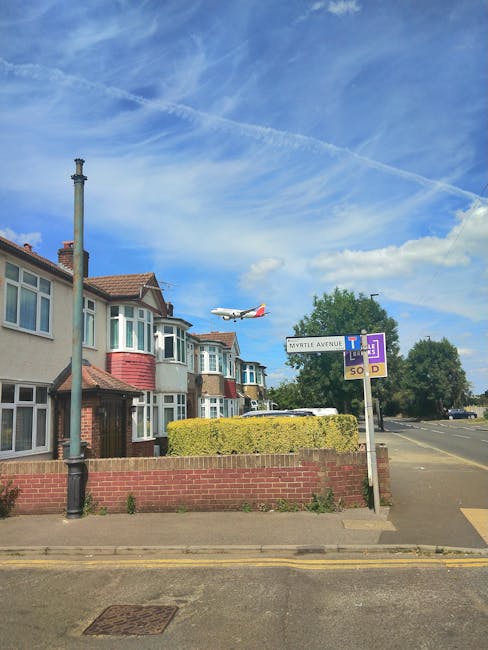
If you are dealing with a build-up of rubbish, bulky furniture, renovation debris, or a property that simply needs clearing out, North London: Clearing Waste on Archway Road (N19) can feel urgent fast. The road itself sits in a busy stretch of north London, so access, parking, timing, and disposal all matter more than people expect. One missed detail and a straightforward job can become a bit of a faff.
This guide walks through how waste clearance on and around Archway Road usually works, what to look out for, and how to choose a sensible approach for homes, flats, landlords, businesses, and builders. You will also find practical checklists, a comparison table, and common mistakes to avoid, so you can make a calmer decision and get the job done properly.
Why North London: Clearing Waste on Archway Road (N19) Matters
Archway Road is not the sort of place where waste can be left to pile up quietly. It is busy, visible, and surrounded by homes, flats, shops, side streets, and routes that already carry a steady stream of traffic. That means clearance is not just about tidying up; it is about keeping access clear, reducing nuisance, and avoiding the sort of mess that quickly draws attention from neighbours or passers-by.
In practical terms, clearing waste well on Archway Road matters for three reasons. First, space is tight, especially when vans need to load and unload. Second, many properties in and around N19 have shared access, stairs, or limited storage, which makes awkward waste a real problem. Third, local timing matters. If rubbish is left outside for too long, it can interfere with pedestrians, attract pests, or simply look bad. Truth be told, no one wants a sofa on the pavement for longer than necessary.
There is also a broader point about presentation and property value. Whether you are preparing a rental flat, clearing after a tenancy, or sorting builders waste after a small refurb, a clean and orderly finish sends the right signal. It says the job has been handled with care. That counts.
Expert summary: Waste clearance on Archway Road works best when it is planned around access, load size, and disposal method. The quickest-looking option is not always the smoothest one. A well-timed collection usually saves hassle later.
How North London: Clearing Waste on Archway Road (N19) Works
Most waste clearance jobs in this part of North London follow a simple pattern: assess the waste, decide what needs removing, confirm access, and arrange collection or disposal. The detail matters though, because different waste streams need different handling. A broken wardrobe, for example, is not the same as mixed renovation rubble, and green waste is not the same as electrical items. Seems obvious, but it is exactly where people trip up.
For a typical domestic or commercial clearance, the process usually starts with a rough inventory. That might be a few bulky items, a half-filled garage, a stack of black bags, or a full flat clearance after a move. Once the scope is clear, the next step is choosing the right service type. In many cases, that means one of the following: rubbish removal, waste clearance, or a more specific service such as furniture disposal or builders waste.
On Archway Road, access planning can be just as important as the actual lifting. A front-facing property may be simpler to service than a flat set back from the road or a building with narrow stairs. If a collection vehicle cannot stop conveniently, the job may need a bit more carrying and a bit more time. That is normal. Better to know it in advance than discover it mid-job while standing in the rain with a mattress and a mildly annoyed neighbour.
Good waste clearance is also about sorting. Reusable items, recyclable materials, and general rubbish are often separated where practical. That can make disposal more efficient and may reduce the amount that needs to go to landfill or mixed waste handling. Not every job will be neat enough to sort perfectly on site, but the habit is worthwhile.
If you are looking after a property in nearby neighbourhoods as well, it can help to understand how local service coverage fits together. Many people around Archway also look at the wider North London service area, especially when they need clearance across multiple addresses rather than one single job.
Key Benefits and Practical Advantages
The obvious benefit of organised waste clearance is that the mess disappears. Fair enough. But there is more to it than that. A properly managed clearance can save time, reduce stress, improve safety, and make a property usable again far sooner than DIY methods usually allow.
- Faster turnaround: A coordinated collection removes waste in one visit rather than several trips to a tip.
- Less physical strain: Large furniture, heavy bags, and awkward items are not fun to move upstairs in a narrow stairwell.
- Better access: Clearing hallways, entrances, and service areas helps everyone move around safely.
- Cleaner presentation: This matters for landlords, agents, sellers, shop owners, and anyone preparing for guests or works.
- More sensible disposal: Recyclable and reusable items can often be separated more effectively than in a rushed household clear-out.
- Reduced disruption: A single organised removal is usually less disruptive than leaving waste to sit while you try to handle it in bits and pieces.
There is also a mental benefit people often underestimate. Clutter and waste have a way of draining energy. You notice it when you step into a spare room and think, "I will sort that later," for the fourth week running. Getting it removed gives you your space back. Simple, but genuinely useful.
Who This Is For and When It Makes Sense
Clearing waste on Archway Road makes sense for a wide range of people. It is not only for major refurbishments or property managers. Plenty of smaller everyday situations call for it too.
Homeowners and tenants often need help after decluttering, moving house, replacing furniture, or dealing with a sudden build-up of bags and bulky items. If a wardrobe will not fit in the car and the local recycling point is not realistic, a collection can be the practical answer.
Landlords and letting agents use clearance services after tenancies, between occupants, or when a property has been left with unwanted items. In these cases, speed and reliability matter because every extra day of delay can hold up cleaning, repairs, and new occupancy.
Builders, trades, and renovators may need waste removed after strip-outs, kitchen changes, garden works, or light refurbishment. Builders waste can be mixed, dusty, and bulky, so it often needs proper handling rather than a general tidy-up approach.
Businesses may need office clearance, stock disposal, or the removal of old shelving, desks, and packaging. If you run a premises near Archway Road, keeping entrances uncluttered is not just neat; it is practical and sometimes essential for staff flow and customer access.
Estate executors and families may need home or house clearance when a property must be emptied carefully. That can be an emotional job, and it helps to work methodically, one room at a time.
In some situations, a smaller targeted job is enough. In others, you need a fuller property clearance. If you are dealing with a single room, a loft, or a garage that has quietly become a storage cave, a focused service such as garage clearance, home clearance, or house clearance may be the better fit.
Step-by-Step Guidance
Here is a straightforward way to approach waste clearance on Archway Road without overcomplicating it.
- Identify exactly what needs removing. Separate bulky items, bagged rubbish, green waste, electrical items, and any materials from works or repairs.
- Check access. Look at stairways, parking space, lift access, road width, and whether the waste will need to be carried a long distance.
- Decide what can be reused, recycled, or discarded. A quick sort before collection usually makes the job cleaner and more efficient.
- Choose the right service. A few bags and a sofa may need a different approach from a full office or builder strip-out.
- Book at a sensible time. Think about residents, trade deliveries, business opening hours, and traffic on the road.
- Prepare the waste for easy collection. Stack items safely, keep pathways clear, and group similar materials together where possible.
- Confirm what is included. It is better to clarify heavy lifting, multiple floors, and awkward items before the team arrives.
- Do a final sweep. Check corners, cupboards, loft hatches, under sinks, and the back of storage areas. The last forgotten box is always the one that annoys you later.
If you are arranging an office or business clearance, it can help to compare the job against a more specialised service. For example, a workplace reset may need office clearance or business waste handling rather than general household rubbish removal. The same goes for garden cuttings, which are usually better treated as garden clearance rather than mixed waste.
Expert Tips for Better Results
In our experience, the best clearance jobs are the ones that are planned just enough. Not overplanned. Just enough. Here are a few practical tips that save trouble later.
Tip 1: Separate fragile and heavy items early. Old glass tables, mirrors, and loose shelving can break during handling if they are stacked carelessly. Keep them apart.
Tip 2: Photograph the waste before booking if the job is large. A few quick photos help define the scope and avoid misunderstanding. This is especially useful for flats, landlord clearances, and mixed waste.
Tip 3: Think about the route out. A clear hallway and a protected landing can make removal smoother. It sounds small, but it prevents damage and speeds things up.
Tip 4: Be honest about mixed waste. If there are old paint tins, broken appliances, or electrical items tucked in among the rest, mention them. It avoids delays and keeps disposal compliant.
Tip 5: Don't wait until the pile becomes unmanageable. Small clearances are usually easier, safer, and often cheaper to handle than a week's worth of build-up.
And a tiny but useful habit: leave a little extra time around collection day. Traffic on north London roads has a way of doing its own thing. You know how it is.
Common Mistakes to Avoid
Waste clearance seems simple until it is not. These are the mistakes that cause the most avoidable frustration.
- Guessing the volume: Underestimating how much waste there is can lead to the wrong vehicle size or too little time.
- Mixing special items with general rubbish: Mattresses, fridges, electrical goods, and certain bulky materials may need separate handling.
- Blocking access paths: Even a good clearance can slow down if doors, stairs, and front walks are cluttered.
- Leaving it too late: If the waste is linked to a move, inspection, or refurbishment, delays can cause a knock-on effect.
- Forgetting shared spaces: In flats or converted properties, hallways and communal entrances matter as much as the main room.
- Assuming all waste is the same: It really is not. A pile of garden cuttings and a pile of broken desks need different treatment.
One more thing: do not treat waste clearance like a mystery box. The clearer your instructions, the smoother the day goes. That helps everybody.
Tools, Resources and Recommendations
You do not need a warehouse full of equipment to manage clearance well, but the right basics can make a decent difference. For smaller jobs, sturdy bags, gloves, dust sheets, tape, a marker pen, and a trolley or sack barrow can help enormously. For larger jobs, good planning matters more than tools, to be fair.
Recommended practical resources include:
- A simple room-by-room inventory: Useful for houses, flats, and probate clearances.
- A separate pile for reusable items: Keeps usable furniture and household goods from getting mixed in with rubbish.
- Basic protective gear: Gloves and sensible footwear are worth having, especially where glass, splinters, or sharp edges are involved.
- Labels or coloured tape: Handy for sorting keep, donate, recycle, and remove.
- Access notes: A quick note about parking, gate codes, stairs, or narrow entrances saves time on the day.
If the job involves a lot of old household items, you may find a dedicated service such as sofa removal or flat clearance more appropriate than general waste removal. Likewise, if the main issue is mixed rubbish from a one-off tidy-up, rubbish collection or waste collection may be the more natural fit.
Law, Compliance, Standards, or Best Practice
Waste clearance in the UK should be handled with care and with proper disposal in mind. You do not need to become a legal expert to manage a household clear-out, but you should be confident that waste is being passed to a legitimate collector and dealt with responsibly. That is basic best practice, and it matters.
In practical terms, good compliance means the waste is collected, transported, and disposed of by people who understand how to handle different material types. Some items may require special care, especially electrical equipment, mattresses, paint, and mixed renovation waste. For businesses, the expectations can be tighter, especially where records, duty of care, or repeated collections are involved.
There is also the simple matter of not causing nuisance or obstruction. On a busy road like Archway Road, waste should not be left where it blocks pavements, shared entrances, or vehicles. If parking or loading is awkward, plan the collection properly. A little forethought avoids a lot of noise and hassle. And nobody needs that at 8am.
Best practice also includes honest description. If a job includes hazardous-looking items, unusually heavy materials, or anything that might need special handling, say so early. The safest clearance jobs are the ones where everyone knows what they are dealing with before the first lift.
Options, Methods, or Comparison Table
There is more than one way to clear waste on Archway Road, and the best option depends on the size of the job, your time, and how much lifting you want to do yourself.
| Method | Best for | Pros | Limitations |
|---|---|---|---|
| DIY trips to a disposal point | Very small loads | Can be cost-conscious if you already have transport | Time-consuming, physically demanding, multiple trips, parking and loading hassles |
| Skip hire | Longer projects or ongoing works | Useful for steady volumes of builders waste | Needs space, permits may be needed, and you still have to load it yourself |
| Professional rubbish removal | General household and mixed waste | Fast, convenient, less lifting for you | May not suit every special waste type |
| Specialist item removal | Furniture, sofas, single bulky items | Targeted and efficient for awkward pieces | Not ideal for large mixed clearances |
| Full property clearance | Houses, flats, probate, moves | Best for bigger jobs and end-to-end clearing | Requires clearer planning and access coordination |
A quick rule of thumb helps here. If you are dealing with one or two awkward items, a targeted collection may be enough. If you are standing in front of several rooms, a loft, or a half-finished renovation, a broader clearance approach is usually better. No point pretending otherwise.
Case Study or Real-World Example
A fairly typical Archway Road scenario goes like this. A small flat is being prepared for a new tenant after a move-out. The previous occupants have left a broken chest of drawers, an old mattress, several bags of mixed rubbish, and a few unwanted kitchen items. The hallway is narrow, the stairs are tight, and there is only limited time before cleaners and decorators need access.
The first sensible step is to identify what is staying and what is leaving. The next is to separate the bulky items from the bagged rubbish. The mattress and drawers are bulky, so they need careful handling. The bagged waste can be gathered more quickly. If there are any electrical items, they should be set aside rather than mixed in blindly with everything else.
In a situation like this, a focused removal can work well because it removes the pressure from the landlord or agent. The property gets cleared, the access routes stay open, and the follow-on work can begin without delay. Nothing dramatic. Just a tidy process that avoids last-minute stress.
A second example: a small home refurbishment near Archway Road leaves plasterboard offcuts, timber, packaging, and an old fitted unit in the front room. This is no longer just general rubbish. It is builders waste, and it needs a more suitable removal plan. A proper clearance avoids the common problem of having one category of waste removed quickly while the rest lingers in the corner, collecting dust and becoming more annoying by the day.
Practical Checklist
Use this checklist before arranging your waste clearance.
- Have you listed everything that needs removing?
- Have you separated general rubbish from furniture, green waste, and builders debris?
- Is there clear access from the property to the vehicle?
- Have you checked for stairs, lifts, or long carry distances?
- Do you know whether any items need specialist handling?
- Have you protected floors or hallways if the property is tight?
- Have you arranged a suitable time for collection?
- Have you confirmed what is included in the service?
- Have you looked in cupboards, lofts, sheds, and under beds?
- Have you kept anything you still want before the clearance starts?
Quick reminder: the tidiest-looking jobs are often the ones that were planned for ten minutes before anyone started lifting. That little bit of structure helps more than people expect.
If your clearance includes heavy household items, you may also want to look at house clearance or home clearance depending on whether the job is a full property emptying or a more selective removal.
Conclusion
North London: Clearing Waste on Archway Road (N19) is really about making a busy local job feel manageable. When you plan access, separate waste types, and choose the right kind of removal, the whole process becomes quicker, safer, and far less stressful. That matters whether you are clearing a single sofa, a full flat, or a mixed pile from a renovation or business move.
Archway Road brings the usual north London challenges: limited stopping space, busy traffic, shared access, and properties that are not always built for easy lifting. But with a sensible approach, those challenges are workable. You just need the right method for the scale of the job.
Get a free quote today and see how much you can save.
And if you are still deciding, that is fine too. Start with the size of the waste, think about access, and go from there. One clear step at a time is often the best way through.
Frequently Asked Questions
What is the best way to clear waste on Archway Road in N19?
The best method depends on the amount and type of waste. Small loads may suit rubbish removal or waste collection, while bigger jobs often need full clearance or builders waste handling.
Can I clear mixed household waste and furniture together?
Usually, yes, but it helps to separate anything special, such as electrical items or materials that need different handling. That makes the collection smoother and avoids confusion.
Is waste clearance suitable for flats on Archway Road?
Yes. Flat clearance is common in this area, especially where stairs, limited storage, or shared entrances make DIY removal awkward. Good access planning is especially useful for flats.
What if I only have one bulky item to remove?
A single-item service can be enough. Sofa removal or furniture disposal is often the simplest choice when you only need one awkward item taken away.
Do I need to sort everything before the team arrives?
No, not always. But a basic sort between general rubbish, bulky items, and specialist waste will make the job easier and may save time.
How should builders waste be handled?
Builders waste should be separated from general household rubbish where possible. Materials like timber, rubble, and packaging often need a different approach from domestic waste.
What should landlords do after a tenant leaves waste behind?
Landlords usually benefit from a fast, organised clearance so cleaning and repairs can begin without delay. A full or partial house clearance may be appropriate depending on the amount left behind.
Is there a difference between waste removal and rubbish clearance?
In everyday use, the terms overlap quite a lot. Generally, rubbish clearance and waste removal both mean getting unwanted items collected and disposed of properly, but some services are more specific than others.
Can garden waste be included with other rubbish?
Sometimes it can, but garden clearance is often best handled separately, especially if there are large quantities of cuttings, branches, or soil. Keeping it distinct helps with disposal.
How do I know which service to choose?
Start with the type of items you have. Furniture, mixed rubbish, office contents, garden cuttings, or builders debris all point toward different service types. If you are unsure, choose the closest match to the main waste category.
What happens if access is difficult on Archway Road?
Difficult access usually means extra planning, a longer carry, or a different vehicle approach. It is not a deal-breaker, but it should be discussed before booking so the job can be scheduled properly.
Can business waste be cleared from a small office or shop?
Yes. Business waste and office clearance are common for small premises, especially when desks, shelving, packaging, or old stock need removing efficiently.
What is the most common mistake people make with waste clearance?
The biggest mistake is underestimating the job size. People often think the waste will fit in one easy run, then realise it is heavier, bulkier, or more mixed than expected. A quick inventory avoids that surprise.