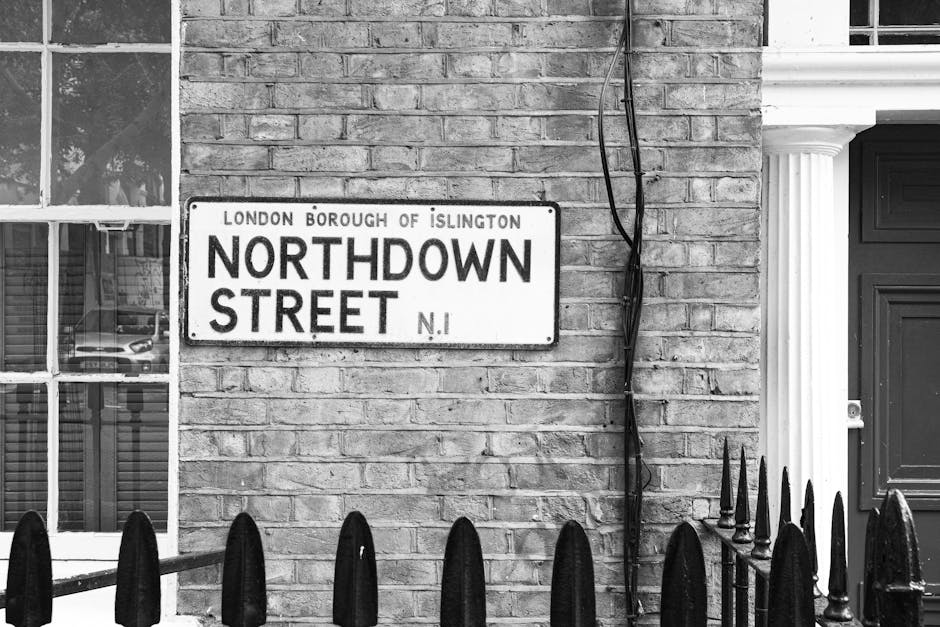
Islington Council Rubbish Rules Every North London Home Needs
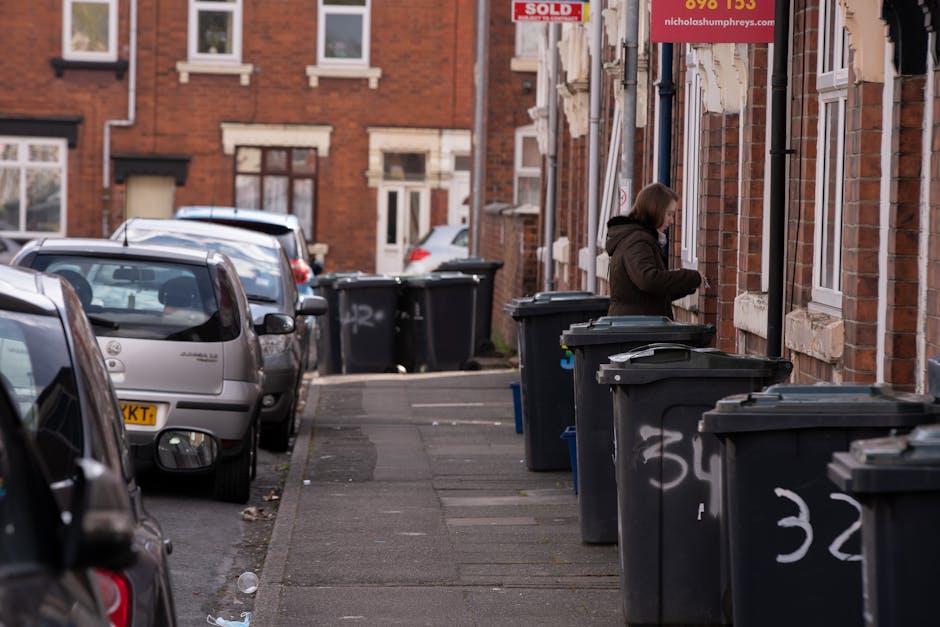
If you live in North London, rubbish rules can feel oddly specific until the morning you put the wrong bag out and suddenly the pavement looks like a small, avoidable disaster. The truth is, Islington Council rubbish rules every North London home needs are not just about neatness; they shape how your waste is collected, how smoothly your street stays usable, and how easily you avoid missed collections, spillages, and complaints. Whether you are a long-term resident, a new tenant, or the person in the household who somehow becomes the unofficial recycling officer, understanding the basics saves time and stress.
This guide breaks down the rules in plain English. You will get the practical how-to, the common mistakes, the compliance angle, and the small day-to-day details that matter more than people think. Let's face it, rubbish is not glamorous. But getting it right? That is quietly satisfying.
Why Islington Council rubbish rules every North London home needs matters
Waste collection rules are one of those things that only become visible when they go wrong. A bag left out on the wrong day, food waste mixed into dry recycling, or bulky items abandoned beside a wheelie bin can quickly turn into a problem for the whole street. In busy parts of North London, where pavements are narrow and shared spaces are already under pressure, that matters more than people sometimes admit.
The rules matter for three simple reasons. First, they help your waste get collected without delay. Second, they reduce contamination, which can cause recyclable materials to be rejected. Third, they keep frontages, communal bin stores, and shared access points more manageable. If you live in a flat, a terrace, or a converted house, you will already know how quickly one household's mistake can ripple across the rest of the building. It is a small thing, until it is not.
There is also the practical side. Missed or incorrect bins can lead to unpleasant smells, pests, and extra work. A damp bag leaking onto a step in winter is a very London kind of annoyance: grey sky, wet pavement, and one chore you really did not need. Good rubbish habits remove that friction.
Expert summary: The best way to think about Islington's waste rules is simple: sort carefully, present bins correctly, and keep bulky or hazardous items separate unless you are using the right collection route.
How Islington Council rubbish rules every North London home needs work
At a practical level, the system is built around separation, timing, and presentation. Different waste streams usually need to be kept apart so the council's collection service can process them efficiently. For most homes, that means treating ordinary rubbish, recycling, food waste, and special items as separate categories rather than one catch-all bin.
What you should put out, and how you put it out, depends on the type of property. A house with its own bins may have a different setup from a shared block with communal containers. That is worth emphasising because people often assume there is one universal rule. There is not. The broad principles are similar, but the exact collection arrangements can vary from street to street.
In real life, the process works best when you build a routine around collection days. One family we heard about handled it by keeping a small indoor caddy for food scraps, a separate box for paper and cans, and a calendar note by the kitchen door. Nothing fancy. Just enough structure to stop the usual Sunday-night panic. You do not need a perfect system; you need one you will actually use.
If you also generate bulky waste, renovation debris, or larger household clear-outs, it helps to plan those separately rather than trying to squeeze everything into the normal collection. For those bigger jobs, many households also explore dedicated rubbish removal services such as waste collection support when the council system is not the right fit for the item or volume involved.
Key benefits and practical advantages
Following the rules is not just about avoiding hassle. Done well, it improves the whole rhythm of household waste management. That may sound a little grand for bin day, but in practice it really does make life easier.
- Fewer missed collections: Correctly sorted and presented waste is less likely to be left behind.
- Cleaner frontages: Proper bin use reduces overflow, scattered rubbish, and smells.
- Better recycling outcomes: Cleaner recycling streams are more likely to be processed properly.
- Less conflict in shared homes: Clear routines reduce arguments about whose turn it is to take bins out.
- Safer streets and communal areas: Fewer loose bags means fewer pests and less mess.
There is also a quieter benefit: peace of mind. Once your household has a stable system, you stop thinking about rubbish all week. No more wondering whether tonight is the wrong night for the green bin. No more standing at the window at 6:30 a.m. in socks, trying to remember whether the lorry comes before school run chaos. Small win, but a real one.
Who this is for and when it makes sense
This guidance is useful for almost anyone living in Islington or nearby parts of North London, but a few groups especially benefit from understanding the rules properly.
Homeowners and long-term residents
If you manage your own bins, you are the first line of defence against overflow and missed collections. A simple, repeatable routine helps keep everything tidy through busy weeks, holidays, and those odd times when life gets in the way.
Tenants and shared households
In flats or HMOs, rubbish rules become a shared responsibility. That can be fine when everyone understands the system. It becomes messy when one person throws everything into the nearest bin and assumes it will all sort itself out. Spoiler: it will not.
Landlords and managing agents
If you are responsible for a property, waste handling is part of keeping the building functional. Residents rarely thank you for a clean bin store, but they notice when things go wrong. Communal arrangements, access, and signage all matter here.
New movers
If you have just moved into the area, this is the point where people most often get caught out. Different boroughs do things differently, and habits from your old postcode may not transfer neatly. Best to learn the local setup early rather than after the first wrong collection day.
In short: if rubbish ever leaves your home, these rules are for you. Which, frankly, is most of us.
Step-by-step guidance
If you want to get on top of waste disposal without overcomplicating it, follow a simple household routine. The steps below are designed to be practical rather than fussy.
- Identify your collection setup. Check whether your property uses individual bins, shared bins, sacks, or a mixed arrangement. This affects everything else.
- Separate waste at source. Keep recycling, food waste, general rubbish, and any special items apart from the start. Do not wait until the bag is full and hope for the best.
- Use clean, dry recycling only. Rinse containers lightly if needed and remove obvious food residue. Greasy boxes and half-empty tubs are a common cause of contamination.
- Bag general waste properly. Use suitable bags that close securely, especially for food-heavy waste that could leak or attract pests.
- Put bins out on the correct day and time. This sounds obvious, but it is where a lot of households slip up. A bin left out too early can be an eyesore; too late, and it may be missed.
- Return bins promptly after collection. Shared streets and busy pavements work better when bins are not left blocking access for longer than necessary.
- Handle bulky or unusual items separately. Furniture, mattresses, electricals, and renovation waste usually need a different route from normal household rubbish.
- Review the setup occasionally. If your household size changes, you may need a different routine. More people usually means more waste, and the old system can become clumsy fast.
A sensible routine is often more effective than a clever one. A whiteboard in the kitchen, a reminder on your phone, or even a sticky note by the back door can prevent half the usual headaches.
Expert tips for better results
Once you have the basics in place, a few small habits make a surprisingly big difference. These are the kinds of things people only learn after a few frustrating bin days, so it is worth getting them early.
- Keep a small sorting station indoors. One bag for general waste, one caddy for food scraps, one box for recycling. It saves time and reduces mix-ups.
- Flatten cardboard. It creates more space and helps communal bins stay usable for everyone.
- Do a quick "last look" before collection. Check for loose packaging, rogue coffee cups, or food containers that belong in general waste rather than recycling.
- Think in terms of smell and moisture. Wet waste causes most of the nastiest bin problems. If something is likely to leak, bag it carefully.
- Label shared bins clearly where needed. In a block of flats, a bit of signage can save endless confusion.
- Plan clear-outs midweek rather than at the last minute. If you are dealing with a bigger tidy-up, you will avoid the rush and the temptation to dump everything together.
One extra tip, mildly boring but genuinely useful: keep a roll of spare bags by the bin area, not buried at the back of a cupboard. It is amazing how often the simple things go missing right when you need them.
Common mistakes to avoid
Most rubbish problems are not caused by dramatic errors. They come from a cluster of small habits that seem harmless on their own.
Mixing waste streams
The most common issue is putting recycling into the wrong container or mixing food waste with dry recyclables. One soggy takeaway box can spoil a whole batch, which is frustrating for everyone involved.
Leaving bins out at the wrong time
Collection windows matter. Put bins out too early and they clutter the street. Put them out too late and they may not be collected. Neither outcome is ideal, and both are avoidable.
Overfilling bags or containers
Overstuffed bags split. Containers that cannot close properly invite mess, rainwater, and vermin. If it looks precarious, it probably is.
Ignoring special waste rules
Batteries, electrical items, sharps, paint, and certain cleaning products should not be treated like ordinary rubbish. These items need special handling because they can be unsafe or unsuitable for standard collection.
Assuming communal bins are someone else's problem
This one causes more irritation than people admit. Shared waste areas only work when everyone takes part. Otherwise, the whole setup becomes a post-code lottery of who had the worst attitude that week.
To be fair, nobody gets up excited about rubbish management. But a little consistency saves a lot of annoyance later on.
Tools, resources and recommendations
You do not need expensive tools to manage waste well, but a few simple items make the system easier to maintain.
- Indoor food waste caddy: Useful for keeping scraps separate and reducing odours.
- Reusable sorting crates or boxes: Handy for paper, cans, plastic bottles, and cardboard.
- Sturdy bin bags: Especially helpful for general waste that may be heavier or damp.
- Kitchen calendar or phone reminders: The simplest way to keep collection days straight.
- Door labels for shared homes: Helpful if multiple people are using the same bin store.
If you are clearing a property, downsizing, or dealing with more waste than the normal household system can handle, it may help to compare council-friendly disposal options with professional support. Some people prefer to bundle up excess rubbish and schedule it as a one-off removal. Others combine a clear-out with a lighter, ongoing household routine. Different homes need different fixes, and that is perfectly normal.
You may also find it useful to keep your own short household note: what goes where, which bin goes out when, and which items are never to be mixed in. That tiny bit of documentation can save endless back-and-forth in busy households.
Law, compliance, standards, or best practice
Waste management in London is not just a courtesy issue; it sits within a framework of local expectations and wider legal duties around keeping waste contained and handled properly. Exact collection arrangements can vary, and it is always sensible to follow the current guidance relevant to your property rather than relying on memory from a previous home.
As a rule of thumb, compliance means more than simply "getting rid of" rubbish. It means storing waste safely, separating material correctly where required, preventing litter and spillages, and ensuring special items are handled through appropriate channels. For landlords and managing agents, that can also include making sure residents understand the setup and can actually use it without confusion.
Best practice usually looks like this:
- Keep waste secure and contained.
- Separate recyclables from general rubbish.
- Do not block shared access points or pavements.
- Use the correct route for bulky, hazardous, or electrical items.
- Provide simple instructions where more than one household uses the same bins.
There is a practical side to compliance too. Clear systems are easier to maintain, easier to explain, and less likely to create complaints. In a shared building, that can be the difference between a smooth week and an avoidable chain of grumbles in the hallway.
Options, methods, or comparison table
For most households, there are several ways to deal with waste depending on the type of item and how much of it you have. The right choice depends on convenience, volume, and whether the waste is ordinary household rubbish or something more awkward.
| Method | Best for | Advantages | Possible drawbacks |
|---|---|---|---|
| Normal council collection | Routine household rubbish and standard recycling | Built into the regular household routine; straightforward and familiar | Limited to what the collection service accepts and when it collects |
| Separate sorting at home | Households trying to reduce contamination | Improves recycling quality and keeps bins tidier | Needs a small system inside the home |
| Special disposal route | Batteries, electricals, paint, bulky items, or unusual waste | Safer and more suitable for items that should not go in normal bins | May take a bit more planning |
| One-off rubbish removal | Clear-outs, moves, end-of-tenancy jobs, or large bulky volumes | Useful when the normal bin system is not enough | Requires scheduling and deciding what should be removed |
For a lot of households, the answer is not one method or the other. It is a mix. Daily sorting for the small stuff, proper collection routines for regular waste, and a separate plan for bigger jobs. Clean, simple, done.
Case study or real-world example
A small flat in North London is a good example of how a better system can make life easier. The household had three adults, varying work schedules, and a habit of putting everything into one bag at the end of the week. It did not help that the kitchen bin was tucked beside the fridge, so the smell hit hardest on warm days. Not ideal.
They changed three things. First, they added a small caddy for food waste. Second, they placed a cardboard box under the sink for cans and paper. Third, they put a reminder on the shared phone calendar the evening before collection. That was it. No major investment, no complicated rules pinned to the wall.
Within a few weeks, the bags were lighter, the recycling was cleaner, and the hallway stopped getting that slightly sour bin-store smell after rainy weather. The biggest change was not dramatic, just calmer. Fewer arguments, fewer mistakes, fewer "whose turn is it?" conversations. Honestly, that alone is worth quite a bit.
It is a reminder that rubbish management works best when it fits the household, not when it looks perfect on paper.
Practical checklist
Use this checklist as a quick reset if your household routine feels messy or inconsistent.
- Do you know which bins or containers your property uses?
- Have you separated general waste, recycling, and food waste?
- Are your recycling items clean enough to avoid obvious contamination?
- Do you know the correct collection day and time?
- Are bins returned promptly after collection?
- Do you have a separate plan for bulky or special waste?
- Are shared bin instructions clear for everyone in the property?
- Are spare bags, caddies, or sorting boxes stored where you can actually reach them?
- Have you removed old packaging, broken items, or forgotten clutter from around the bin area?
- Would a simple reminder system make your life easier?
If you can tick most of those off, you are already doing better than many households that only think about waste when it starts to smell. A bit blunt, but true.
Conclusion
The main thing to remember is that Islington Council rubbish rules every North London home needs are about more than one bin day. They are about keeping your home tidy, your street workable, and your household routine under control. Once you understand the basics, the whole system becomes much less annoying. That is the real win.
Start with separation, stay consistent with timing, and treat special waste as its own category. If you live in a shared property, keep the instructions simple and visible. If you are dealing with a bigger clear-out, plan ahead rather than improvising at the kerb. Small habits make a big difference here, even if they do not feel exciting in the moment.
Get a free quote today and see how much you can save.
And if you only take one thing away from this, let it be this: a neat bin routine is one of those quiet household upgrades that makes the whole week feel slightly easier. That counts.
Frequently Asked Questions
What are the main Islington Council rubbish rules every North London home needs to follow?
The main ideas are simple: separate your waste properly, use the correct containers, put bins out on the right day and time, and keep bulky or special items out of ordinary household bins. The exact setup can vary by property type, so it is worth understanding your own collection arrangement rather than guessing.
Do the rules change for flats and shared buildings?
Yes, they often do in practical terms. Flats and shared buildings may use communal bins, different storage areas, or separate resident arrangements. The broad principles stay the same, but the way you present waste and share responsibility with neighbours can be a bit different.
What should I do with food waste?
Food waste should usually be kept separate from general rubbish and recycling. Using a small indoor caddy or lined container makes this much easier. If your household produces a lot of food scraps, emptying the caddy regularly prevents smells and keeps the kitchen far more pleasant.
Can I put all recycling together?
Not always. Some councils accept mixed recycling, while others have specific rules about what can and cannot go together. The safest approach is to follow the collection guidance for your property and avoid mixing items that obviously do not belong in recycling, such as food-soiled packaging or loose rubbish.
What happens if I put the wrong item out?
The most common outcome is that the item or the whole container may be left uncollected. In shared systems, contamination can cause wider problems because one household's mistake affects the whole bin. That is why a quick last check before collection is so worthwhile.
How do I deal with bulky waste like furniture or mattresses?
Bulky items usually need a separate disposal route rather than the normal weekly collection. Many households plan these as one-off clear-outs, especially when moving home or replacing furniture. The key is to avoid leaving large items on the street without the correct arrangement.
Are batteries and electrical items treated differently?
Yes. Batteries, small electricals, and similar items should not be treated like ordinary rubbish. They can be unsafe or unsuitable for standard bins. Keeping them in a separate box until you can use the right disposal route is a sensible habit.
How can I stop bins smelling bad?
Bag food waste securely, empty caddies regularly, rinse containers lightly if needed, and avoid leaving wet rubbish sitting too long in warm weather. In shared buildings, making sure bins are closed properly and emptied on schedule helps a lot too.
What is the best way to avoid missed collections?
Set reminders for the evening before collection, keep a routine by the front door or in the kitchen, and return bins promptly after pickup. Most missed collections happen because of timing errors rather than anything more complicated.
Do landlords need to explain rubbish rules to tenants?
It is a very good idea, especially in flats or HMOs. Clear bin instructions reduce complaints, prevent confusion, and help residents settle into the property faster. A simple written guide can save a lot of back-and-forth later.
What if my household creates more waste than usual?
If you are having a clear-out, moving, or dealing with a temporary increase in waste, it may make sense to use a one-off removal option rather than trying to force everything into the normal weekly bin routine. That usually makes the job quicker and tidier.
Why do rubbish rules matter so much in North London?
Because space is tight, streets are busy, and shared living is common. Good waste habits reduce mess, smells, pests, and friction between neighbours. They also make everyday life run more smoothly, which is often the bit people notice most once they get it right.